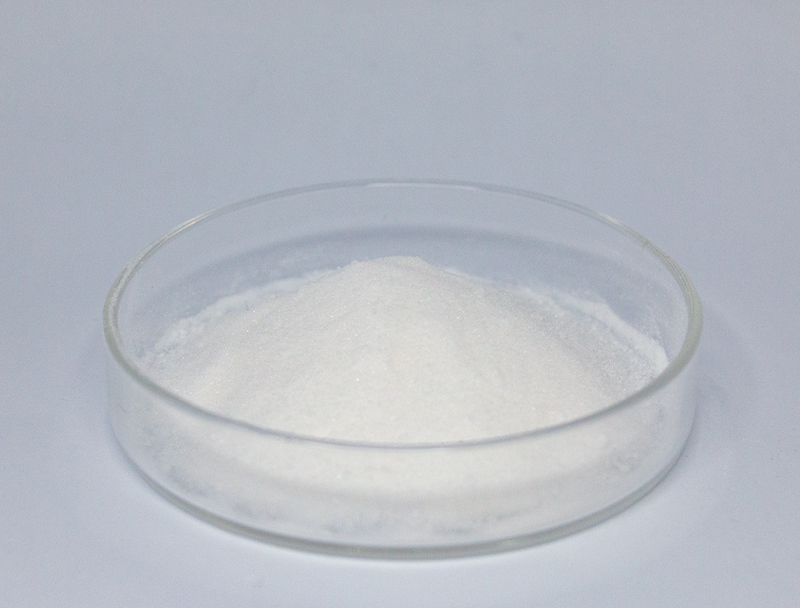
industrial sustainable feedstocks assay tested calcium alpha-ketoglutarate
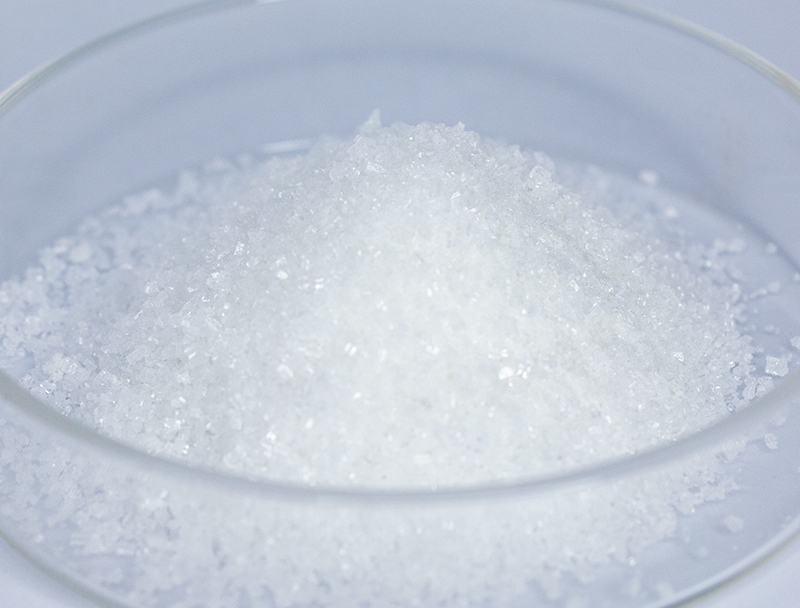
Biomanufacturing relies heavily on a plentiful suite of feedstocks to supply inventive bioproducts.
Protecting long-term supply of raw inputs remains essential to industry resilience and responsible expansion.
multiple challenges associated with traditional raw material procurement for example habitat harm and overextraction of resources. Therefore, producers should prioritize ethical sourcing models to curtail ecological damage.
- Situations demonstrating ethical sourcing encompass:
- Applying circular feedstocks from post-harvest streams
- Deploying circular process designs to reduce discard and boost reuse
- Collaborating with regional vendors focused on fair procurement
Adopting sustainable feedstock strategies yields environmental wins alongside fiscal sustainability.
Refining Biomass Sources to Enhance Fuel Conversion
Boosting conversion rates requires high-quality and well-characterized biomass. Research teams persist in studying techniques to boost feedstock performance, resulting in superior production volumes and sustainable energy gains. This involves genetic modifications to increase biomass production, as well as pretreatment techniques that break down complex plant materials into more readily fermentable sugars.
- Additionally, researchers are focusing on identifying new sources of biomass, such as algae, waste products, agricultural residues, to expand the range of sustainable feedstocks available for biofuel production.
- Via sustained research the industry stands ready to accomplish considerable improvements that enable a greener energy transition.
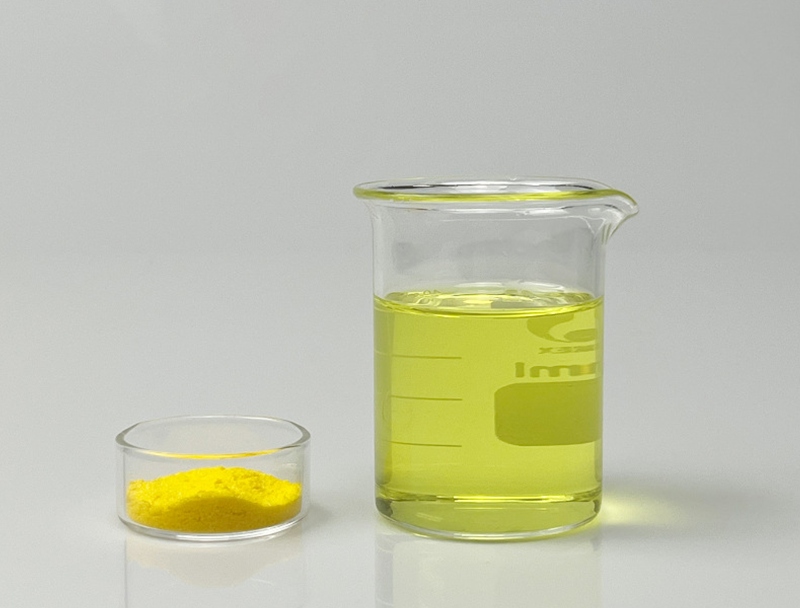
Biopharmaceutical Manufacturing: Advancements in Upstream Processing
represents the initial stages of biopharmaceutical manufacturing, encompassing all steps from cell culture and cell harvesting Recent advances in this domain have led to improved production processes, ultimately Calcium 2-oxoglutarate increasing product yield.
Notable improvements feature new expression systems, refined media recipes, and automated reactor platforms. These innovations not only enhance productivity but also minimize production costs and environmental impact.
- Similarly, continuous process trends grant superior flexibility and refined control across production stages.
- Transitioning to refined production methods has the potential to overhaul the industry and expedite new treatments.
CRISPR and Beyond: Improving Biopharma Production
advances in genomic editing tools including CRISPR have transformed therapeutic manufacturing. By implementing targeted gene changes, investigators boost production titers of important biologics. This capability can unlock development of cost-efficient, high-performance biologics for many conditions.
Biodegradation Strategies Using Targeted Microbial Cultures
state-of-the-art biological cleanup solutions using targeted microbial actions. Microbial communities can biotransform hazardous materials into lower-risk substances. Leveraging microbial biotransformation promotes sustainable remediation that curbs industrial environmental impacts.. Researchers screen diverse microbial taxa for metabolic pathways suited to remove heavy metals, pesticide residues, and hydrocarbon contamination.. The microbes may be applied within engineered reactors or in situ to catalyze pollutant degradation via biotransformation..
Employing microbial strategies for remediation provides multiple benefits versus traditional techniques. Microbe-driven cleanup typically costs less and generates fewer dangerous byproducts. Likewise, microbial systems can selectively degrade contaminants while sparing the wider environment. Ongoing innovation aims to boost the throughput and efficacy of microbe-driven remediation approaches.
Digital Methods Accelerating Pharmaceutical Discovery
Informatics platforms are essential to current drug discovery and development pipelines. From identifying potential drug candidates to optimizing their efficacy and safety, bioinformatics enables a more efficient and data-driven approach.
- Through mining large genomic, proteomic, and clinical repositories, informaticians reveal new targets and forecast drug behaviors.
- Similarly, modeling drug–target interactions streamlines design of compounds with better efficacy and selectivity.
- Ultimately, informatics is transforming R&D and shortening timelines to deliver safe, efficacious therapies to patients.
Optimizing Metabolism to Increase Bioproduct Production
uses diverse methods to increase biosynthesis of target bioproducts in organisms. Strategies involve pathway refactoring by genetic modification, expression modulation for balanced flux, and grafting of novel genes to add capacity.. By calibrating pathway dynamics and expression levels teams can greatly amplify bioproduct yields.
This multifaceted approach has the potential to revolutionize a broad range of industries, including biopharmaceuticals, agriculture, and bioenergy.
Barriers and Benefits When Expanding Biopharmaceutical Manufacturing
Commercializing biopharma production involves significant constraints and promising benefits. Ensuring product consistency at larger manufacturing scales represents a major hurdle. Managing it necessitates robust automation, high-fidelity monitoring, and powerful analytical capabilities.
Process intricacy spanning various stages creates significant scale-up complexities.. Translating lab methods into scalable operations needs heavy research and technology breakthroughs.. Even so, the payoff can be large. Successful scaling up can lead to increased access of life-saving therapies, reduced production costs, and enhanced profitability.
Various efforts target the core issues of industrialization. Initiatives involve optimization platforms, high-resolution analytics for process control, and novel manufacturing frameworks.
- Ongoing innovation drives improvements in industrial production capability.
- Oversight institutions are updating guidelines to ease approval of manufacturing advances and catalyze innovation.
Mapping the Compliance Environment for Safe Therapeutic Development
Bringing biologics to market involves rigorous regulation designed to protect patients and confirm therapeutic benefit. Biopharmaceuticals, often derived from biological sources, present unique challenges compared to traditional medications.
Authorities including the FDA and EMA implement guidelines and thresholds to assess and approve novel biologic products.
Extensive evaluation procedures are essential across development phases, spanning preclinical work to post-market checks.. Such safeguards are intended to detect hazards and ensure therapeutics adhere to top-tier safety benchmarks..
In addition, regulatory entities adapt their frameworks to stay current with rapid research and technological developments.. Efforts comprise integrating cutting-edge tools and easing development pathways while upholding patient safety.

Evaluating Plant Biomass for Bioplastic Production
Heightened demand for sustainable products accelerates efforts to develop renewable material alternatives. Bioplastics derived from plant biomass provide a viable route to more sustainable plastic alternatives. Sources like cornstarch, cellulose fibers, and sugarcane biomass can transform into compostable plastics that decompose and reduce pollution.
In addition, certain bioplastics match performance of petroplastics, enabling broad applicability in multiple sectors.. Sustained research efforts are necessary to optimize plant feedstocks for mass bioplastic production and enable circularity.
Biotechnology's Impact on Global Health and Food Security
Advanced biotech approaches can reshape healthcare delivery and enhance agricultural resilience. With genetic tools, engineered biological systems, and regenerative cell approaches, experts craft interventions to manage diseases, enhance agriculture, and fortify nutrition.. For example, engineered crops with pest resistance and stress tolerance can increase yields while lowering pesticide use.. In addition, the field produces vaccines, treatments, and diagnostic tools that are central to fighting infections and improving health worldwide.. As innovations mature, biotechnology can provide meaningful contributions toward global health and resilient food supplies for future generations.
 5-Aminolevulinic acid